Start With Flow: Map Your Household’s Daily Pathways

Stand in your kitchen, bathroom, or entry for five minutes during peak times and simply watch. Where are the bottlenecks? Which counters collect clutter? Which cabinet door opens twenty times? Those hotspots deserve compact, reliable refill stations that shave seconds off common tasks and stop constant back-and-forth trips across the house.
List everything you purchase in family sizes or warehouse quantities: detergents, rice, oats, soap, pet kibble, vinegar, coffee, even baking soda. Then note how often each item runs out. This reveals appropriate container sizes, refill intervals, and whether a station belongs in the kitchen, laundry, hallway cupboard, or garage shelf.
Instead of waiting for empty, set practical triggers: when the jar hits one-quarter, when two rolls remain, or when the refill caddy looks light. Clear triggers prevent frantic dashes and last-minute orders. Post a discreet cue card or mark containers so anyone in the household can act confidently and timely.

Containers That Work Harder Than Packaging

Good containers remove friction. Choose sizes that match real consumption, lids that open one-handed, and shapes that nest together. Clear walls reveal levels at a glance, while airtight seals protect freshness. Don’t forget scoops, funnels, and spouts; small tools turn awkward decanting into quick, clean, and satisfying micro-moments.

Materials and Sizes That Fit the Job

Glass excels for visibility and cleanliness, stainless steel for durability, and BPA-free plastic for lightweight handling near kids. Match size to refill cadence: daily-use cereal deserves a larger bin than rarely used beans. Choose square or rectangular forms to prevent wasted shelf space and simplify stable stacking during busy mornings.

Labels That Prevent Mistakes

Permanent labels suit staples, while erasable markers or removable tape help rotating goods. Include product name, date opened, and allergen flags where relevant. Use high-contrast fonts visible from arm’s length. Clear labeling stops baking soda masquerading as powdered sugar, protects allergy-sensitive households, and ensures guests can tidy or help confidently.

Decanting Without the Mess

Keep a dedicated funnel, scoop, and microfiber cloth inside the station, with a small tray to catch drips. Decant over that tray, not the counter. Lightly tap containers to settle contents. For powders, a wide-mouth jar reduces dust clouds. Simple habits like these keep refills clean, quick, and pleasantly routine.

Kitchen and Pantry Power Corners

Arrange a breakfast bar with oats, granola, nuts, and dried fruit in airtight jars near bowls and spoons. Store oils and vinegars close to the stove but away from heat. Keep a compact refill caddy—scoops, marker, funnel—inside the pantry door so topping up becomes a sixty-second task after dinner.

Bathroom and Laundry Confidence Boosters

Group shampoo refills, soap bars, and cotton products where hands naturally reach, not buried behind towels. In laundry, align detergent, stain remover, dryer balls, and a lint bin within one arm’s sweep of the machine. Label dosage lines on containers to prevent overuse and protect fabrics, colors, and family budgets.

Entry, Garage, and Utility Helpers

Store household essentials that tend to disappear: batteries, light bulbs, tape, and command hooks, in one clearly labeled utility station. Add a pet corner with treats, waste bags, and a small towel near the door. In garages, position cleaning concentrates and garden amendments together, with measuring cups to prevent guesswork and waste.

Routines, Schedules, and Lists That Actually Stick

Sustainable systems rely on tiny rituals. A weekly five-minute refill sweep beats a quarterly overhaul. Par levels and visual cues eliminate guesswork. Shopping lists auto-populate from low markers. Keep refills social: involve kids, roommates, or partners so the system becomes shared, resilient, and surprisingly fun to maintain together.

The Weekly Five-Minute Sweep

Choose one consistent time—Sunday evening or Friday morning—and walk your refill route with a marker and clipboard. Top up what’s low, note anything approaching the reorder point, and wipe lids. This small ritual prevents panic, smooths mornings, and makes your home feel like it quietly refills itself behind the scenes.

Par Levels and Visual Cues

Mark a subtle line on jars at the one-quarter point. Add color-coded dots for urgency—yellow for low, red for reorder. Use transparent containers where possible to read levels instantly. These cues reduce mental load, empower helpers, and translate vague impressions into immediate, reliable actions that consistently prevent running out.

Smart Lists, Apps, and Automations

Sync a shared list app with replenishment reminders tied to your par levels. Consider barcode scanning or NFC tags to log refills. Automate staples with flexible delivery windows, then pause when bulk bins look healthy. Technology should support judgment, not replace it, keeping control in your hands while streamlining predictable chores.

Safety, Freshness, and Cleaning Without Disruptions
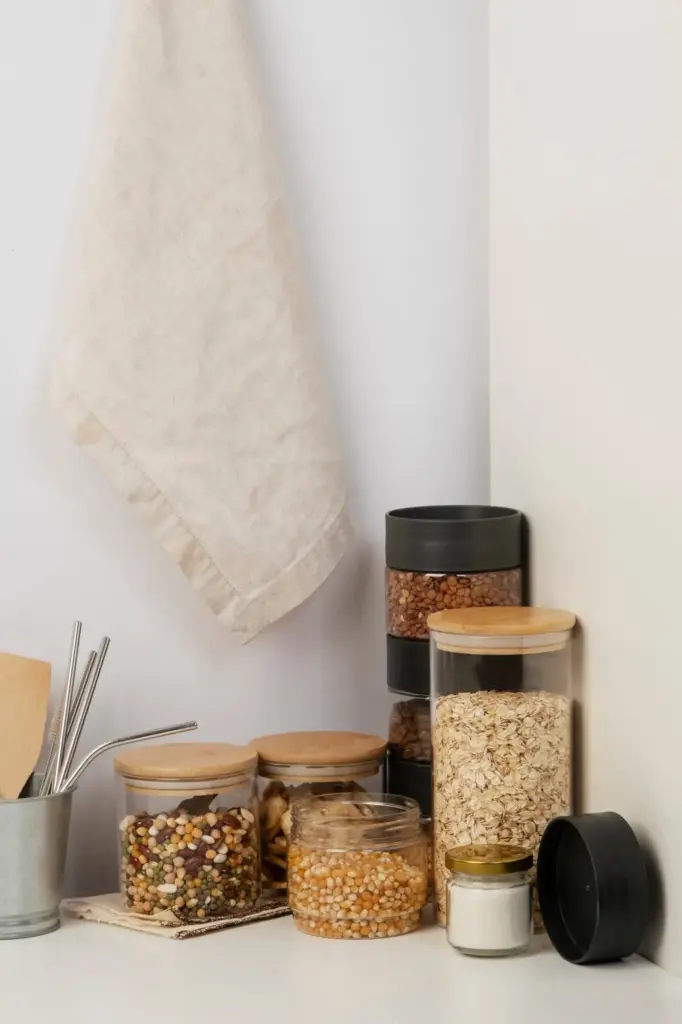
Refill systems shine when they protect health as well as convenience. Respect food safety dates, rotate stock, and separate allergen-heavy items. Manage moisture and light to preserve flavors and potency. Establish a quick cleaning cadence so containers remain trustworthy, crystal clear, and ready for effortless refills day after day.

Savings, Sustainability, and Community Momentum

Refill stations reduce packaging, cut impulse buys, and illuminate true cost per ounce. They also spark neighborhood conversations about bulk sharing and local refill shops. Celebrate small wins, share photos, and invite feedback. Collective learning turns tidy shelves into a practical movement for calmer homes and lighter environmental footprints.
Valaxeletura
Privacy Overview

This website uses cookies so that we can provide you with the best user experience possible. Cookie information is stored in your browser and performs functions such as recognising you when you return to our website and helping our team to understand which sections of the website you find most interesting and useful.